.png)
Woven vs. Non-Woven Filter Bags: Which is Right for Your Baghouse?
Understanding the structural differences between woven and non-woven filter bags is critical for optimizing your dust collection system and reducing emissions.
When specifying dust collection bags for an industrial baghouse, plant engineers face a primary choice: Woven or Non-Woven (needle felt) fabrics?
What is the difference between woven and non-woven filter bags?
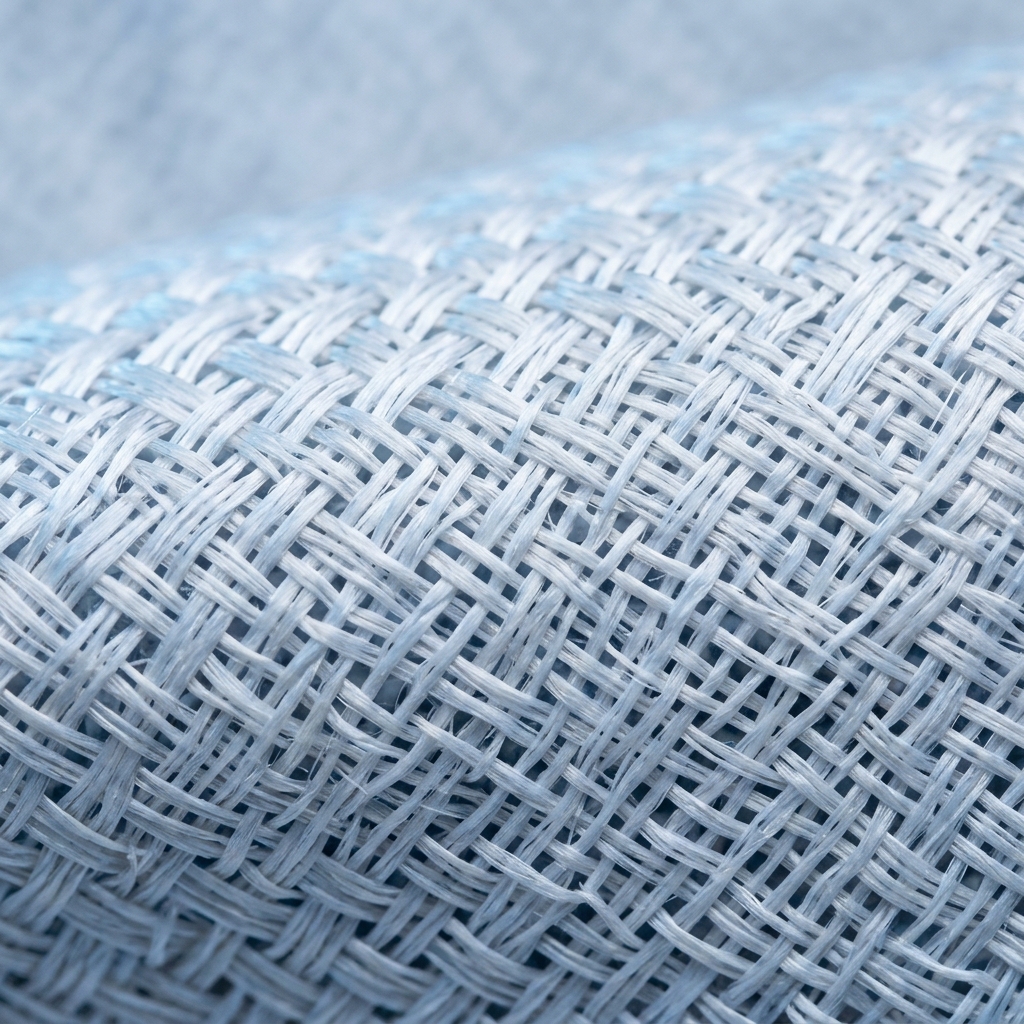
1. Woven Filter Bags: Woven fabrics are created by interlacing yarns on a loom. They have distinct, geometric pores. - Filtration Mechanism: Surface filtration. The dust cake forms on the surface of the weave. - Best Use Case: Shaker-type baghouses, reverse air systems, and handling coarse, abrasive dust like metallurgical slag. They offer incredible tensile strength.
2. Non-Woven (Needle Felt) Filter Bags: Non-woven fabrics are created by mechanically entangling fibers using barbed needles. This creates a dense, multi-layered maze. - Filtration Mechanism: Depth filtration. Particles are trapped within the felt matrix as well as on the surface. - Best Use Case: Pulse-jet baghouses. Because of their thickness and 3D structure, non-woven felts offer superior fine-particulate capture efficiency, often achieving 99.9% retention for very fine dust.
At Filtech Fabrics, we supply both high-strength woven fiberglass bags and dense non-woven polyester felts, ensuring the exact match for your dust collection needs.
Looking for custom industrial filtration solutions?
Since 1995, Filtech Fabrics has been supplying high-performance filter cloth, bags, and industrial papers to oil refineries, chemical plants, and CNC shops across India.