.png)
Nylon vs. Polyester Filter Cloth: A Side-by-Side B2B Comparison
Two of the most popular synthetic fibers in industrial filtration. We compare Nylon and Polyester on tensile strength, chemical resistance, and cost.
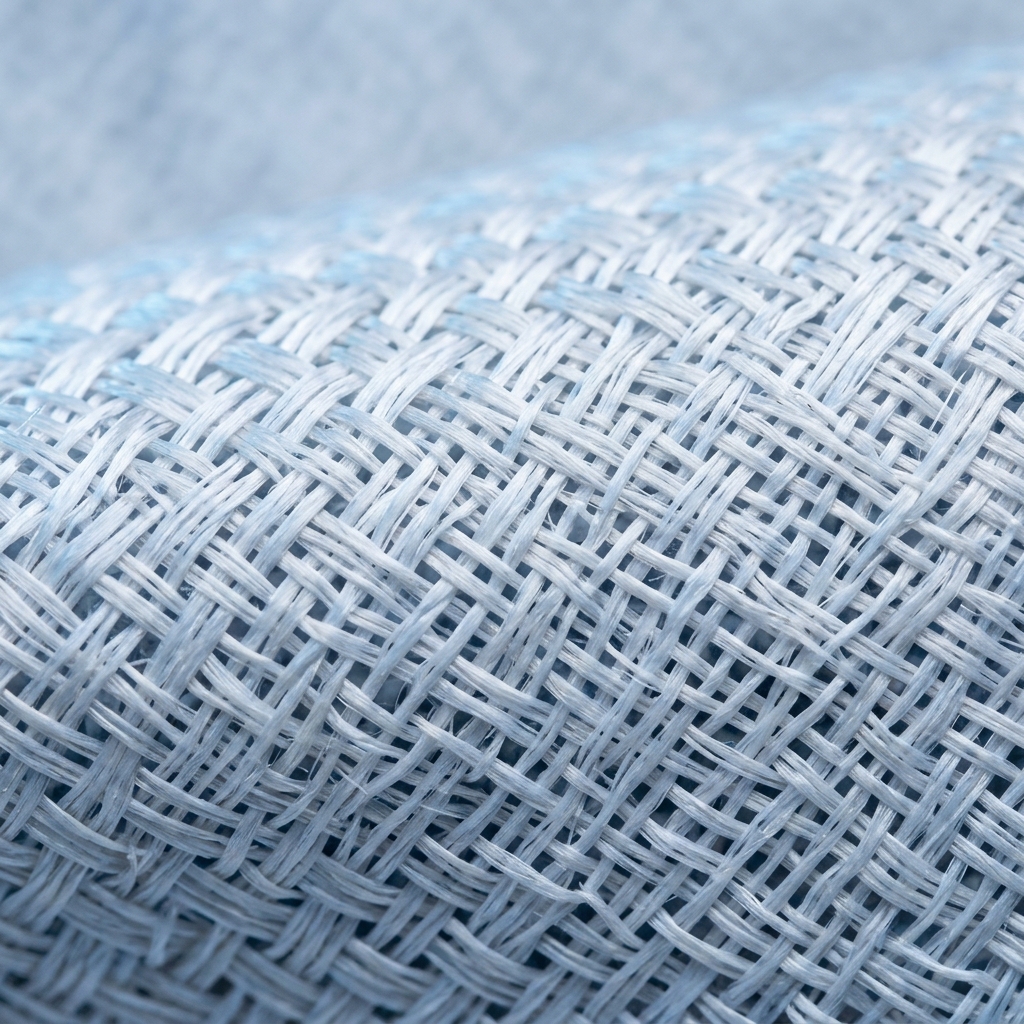
When specifying liquid filtration fabrics for a filter press or centrifuge, buyers often narrow their choices down to the two most robust synthetics: Nylon (Polyamide) and Polyester (PET).
Is nylon or polyester better for liquid filtration? There is no "better"—only the right tool for the specific chemical environment.
Polyester (PET) Filter Cloth - Chemical Resistance: Excellent resistance to acids and oxidizing agents. However, it will degrade rapidly in strong alkalis (high pH). - Heat Resistance: Excellent. Can operate up to 150°C. - Physical Properties: Extremely high tensile strength and very low stretch. - Best For: Hot acidic slurries, mining tailings, and edible oil de-waxing.
Nylon (Polyamide) Filter Cloth - Chemical Resistance: Excellent resistance to strong alkalis (caustics). However, it dissolves in strong mineral acids. - Heat Resistance: Good, but lower than polyester. Max continuous temp is usually around 110°C. - Physical Properties: Supreme abrasion resistance. Nylon is highly flexible and bounces back from mechanical wear better than any other fiber. - Best For: Abrasive alkaline slurries, alumina refining, and highly caustic chemical processing.
Always consult with the technical team at Filtech Fabrics to match the polymer type to your exact chemical pH and temperature profile.
Looking for custom industrial filtration solutions?
Since 1995, Filtech Fabrics has been supplying high-performance filter cloth, bags, and industrial papers to oil refineries, chemical plants, and CNC shops across India.