.png)
How to Prevent Filter Cloth Blinding in Chemical Processing
Blinding is the number one cause of filtration bottlenecks. Learn what causes filter cloth blinding and the mechanical and chemical ways to prevent it.
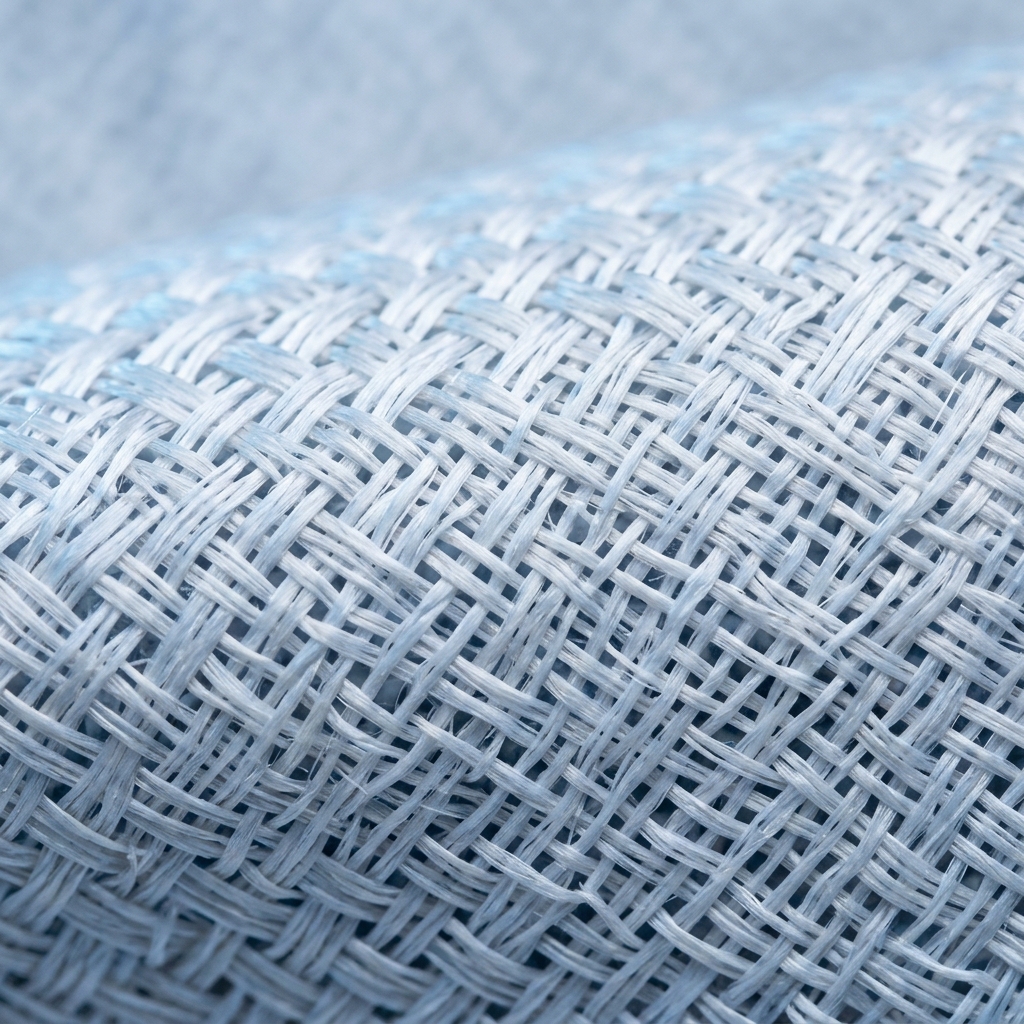
In industrial liquid filtration, the most dreaded word for operators is "blinding."
What is blinding in filtration? Blinding occurs when the pores of the filter cloth become permanently plugged by fine particles, sticky organic matter, or chemical crystallization. Once a cloth is blinded, the filtration rate drops to a trickle, pump pressure spikes, and production halts.
How do you unblind a filter cloth? Unblinding requires aggressive action: - **Chemical Washing:** Depending on the contaminant, soaking the cloth in a mild acid (for mineral scale) or alkali (for organics) will dissolve the blockage. - **Power Washing:** High-pressure water jets can dislodge wedged particles.
How to Prevent Blinding Prevention is always cheaper than downtime. 1. **Use Monofilament Yarns:** Monofilament filter cloths have smooth, single-strand yarns. Unlike multifilament or spun yarns that have tiny crevices where particles get stuck, monofilament fabrics offer excellent, clean cake release. 2. **Apply Calendering:** Calendering is a heat-press treatment that flattens the surface of the cloth, making it incredibly smooth and preventing fine particles from embedding in the weave.
Filtech Fabrics specializes in heat-set, calendered monofilament filter cloths designed specifically to eliminate blinding in difficult chemical slurries.
Looking for custom industrial filtration solutions?
Since 1995, Filtech Fabrics has been supplying high-performance filter cloth, bags, and industrial papers to oil refineries, chemical plants, and CNC shops across India.