.png)
How to Choose the Right Filter Cloth for the Edible Oil Industry in India
At every stage of the edible oil refining process, filter cloth plays a critical role. Filtech Fabrics explains how to select the best organic cotton, PP, or polyester fabric to maximize oil yield, maintain FSSAI food-safety standards, and prevent press downtime.
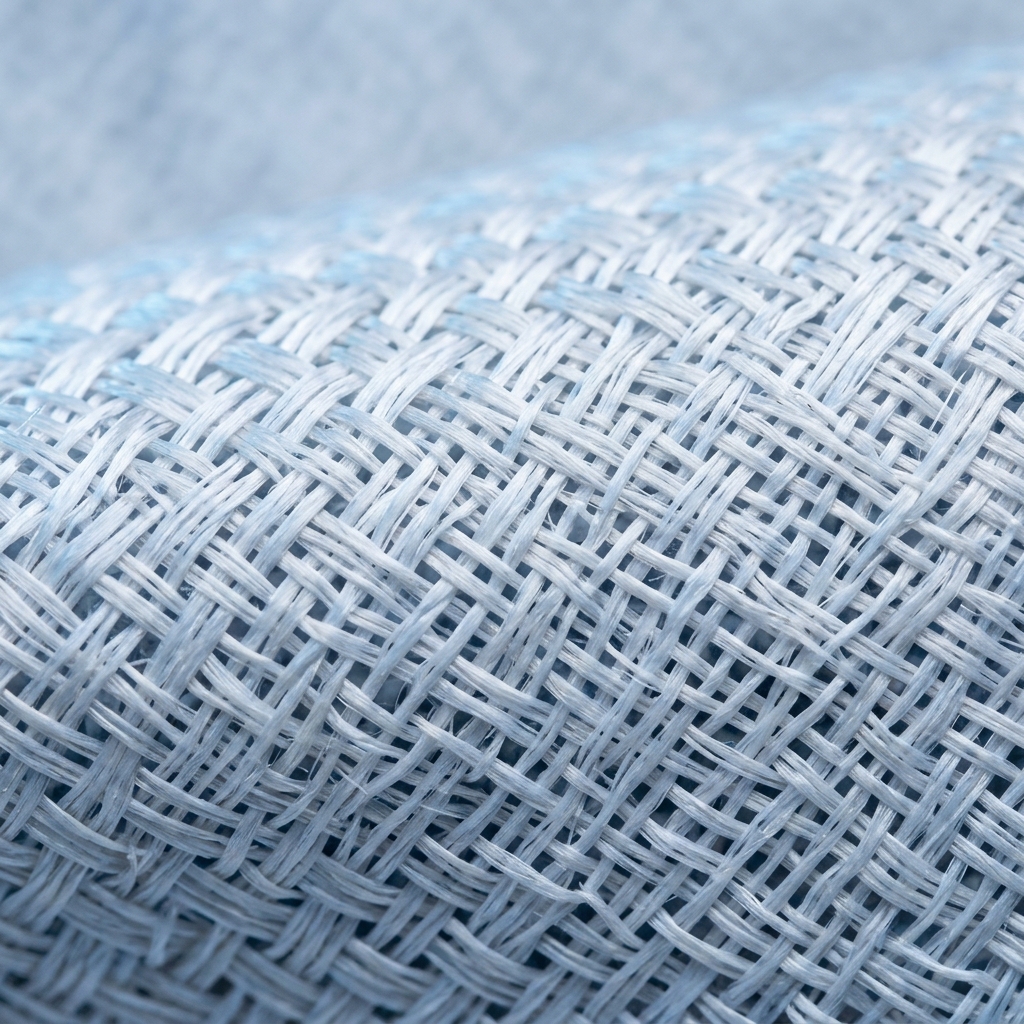
The edible oil industry in India processes millions of tonnes of crude and refined oil every year — from soybean and sunflower to mustard, groundnut, and palm oil. At every stage of this intensive refining process, one unsung hero keeps the oil pure, clear, and safe for consumption: the industrial filter cloth. Selecting the wrong filter fabric can result in costly product contamination, lower extraction yield, faster mechanical wear, and frequent equipment breakdowns that stop production.
In this comprehensive guide, Filtech Fabrics Pvt. Ltd. — one of India's leading integrated manufacturers of technical filtration textiles since 1995 — explains exactly how to choose the right filter cloth for your edible oil refinery.
Why Filter Cloth Selection Matters in Edible Oil Refining
In a modern edible oil refinery, filter presses, sparkler filters, and centrifuges are used to separate pure oil from various suspended impurities. These impurities include bleaching earth, natural waxes, gums, fatty acids, and chemical residues from neutralizing processes.
A poorly chosen filter cloth leads to several immediate operational hazards: 1. Oil Leakage & Lower Yield: Slurry bypasses through loose weave pores under high pump pressure, resulting in cloudy oil and requiring expensive re-filtration. 2. Contamination of the Final Product: Fiber shedding or chemical bleeding from cheap, non-certified synthetic fabrics can instantly fail FSSAI food-safety compliance tests. 3. Fast Cloth Blinding: Pores clog up rapidly, requiring frequent machine shutdowns to wash the plates, which increases downtime and labor costs. 4. Premature Tearing: High mechanical clamping forces can shred weak, low-quality canvas, causing unexpected blowouts and product loss.
Types of Filter Cloth Used in the Edible Oil Industry
Industrial oil refineries utilize three primary classes of filter fabrics depending on the specific refining stage:
- [Cotton Filter Cloth](/products/cotton-filter-cloth) (Natural Organic Canvas)
- Traditional and highly specified across oil mills in Madhya Pradesh, Gujarat, and Rajasthan. Cotton filter cloth is woven from long-staple natural fibers.
- - Key Advantage: Cotton fibers swell slightly when wet, naturally sealing the weave pores to provide exceptional filtrate clarity. It offers a natural, highly efficient cake release without sticking.
- - Ideal Applications: First-stage crude oil expelling and final polishing presses. Cotton is naturally non-toxic and organic, making it 100% safe for direct food contact.
- - Temperature Limit: Operates efficiently up to 110°C.
- [PP Spun Filter Cloth](/products/pp-spun-filter-cloth) & [PP Multifilament Filter Cloth](/products/pp-multifilament-filter-cloth)
- Highly preferred in larger, automated continuous refineries due to its high tensile strength and chemical inertness.
- - Key Advantage: Polypropylene has absolute resistance to chemical hydrolysis, neutralizing alkalis, and degumming acids. It has very smooth filaments (in multifilament form) which prevent bleaching clay from blinding the pores.
- - Ideal Applications: Phosphoric acid degumming, bleaching clay filtration, and chemical neutralization stages.
- - Temperature Limit: Resists heat up to 90°C.
- [Polyester Filter Cloth](/products/polyester-filter-cloth)
- An excellent balance of extreme mechanical strength and high-temperature resistance.
- - Key Advantage: Polyester possesses the highest tensile strength and abrasion resistance of all synthetic fibers. It does not stretch under heavy clamping forces.
- - Ideal Applications: Hot oil de-waxing and winterization filtering stages, where oil must pass through high-pressure chamber presses.
- - Temperature Limit: Safely operates at continuous temperatures up to 150°C.
Key Technical Specifications to Evaluate
When procuring filter cloth in bulk, your engineering and purchase teams must inspect these five critical specifications:
- Thread Count & Weave Pattern: Weave patterns (Plain, Twill, or Satin) dictate filtration speed. Twill and Satin weaves provide a smoother surface for clean cake release, while Plain weaves offer tight retention.
- Micron Rating: Edible oil polishing typically requires a fine retention capability, usually ranging from 1 to 25 microns, depending on whether bleaching clay is utilized.
- Tensile & Burst Strength: The fabric must withstand high-pressure filter press pumps (often operating at 8 to 15 bar pressure) without stretching or bursting.
- Pre-Shrinking Treatment: Natural canvas and certain synthetics shrink when exposed to hot oil. Specify pre-shrunk fabrics to prevent the cloth from slipping off the plate feed holes.
- FDA & FSSAI Compliance: Ensure the technical textile manufacturer uses virgin, binder-free fibers that do not shed microplastics or release toxic chemical extractables into the edible oil.
Filtech Fabrics: Your Direct Manufacturing Partner
Since 1995, Filtech Fabrics Pvt. Ltd. (headquartered in Indore, MP) has been a trusted supplier of industrial filter fabrics to India's leading edible oil giants, including Ruchi Soya Industries and Swastik Oil Industry. We weave organic cotton filter cloth, high-density polypropylene, and polyester filter cloth in our own advanced technical textile mill, eliminating middleman commissions and shipping B2B orders pan-India within 3-5 business days.
Get a Free Sample & Quote — Contact Filtech Fabrics Today!
Our technical sales team will analyze your oil slurry specs, recommend the optimal weave pattern, and dispatch free fabric samples for trial runs on your filter press plates. Call or WhatsApp our experts at +91 98260 52020 or email us at info@filtechfabrics.com.
Looking for custom industrial filtration solutions?
Since 1995, Filtech Fabrics has been supplying high-performance filter cloth, bags, and industrial papers to oil refineries, chemical plants, and CNC shops across India.