.png)
Filter Bag Micron Ratings Explained: Choosing the Right Pore Size
A 5-micron bag vs. a 50-micron bag. What does it mean? Filtech Fabrics breaks down micron ratings to help you select the exact porosity for your liquid filtration.
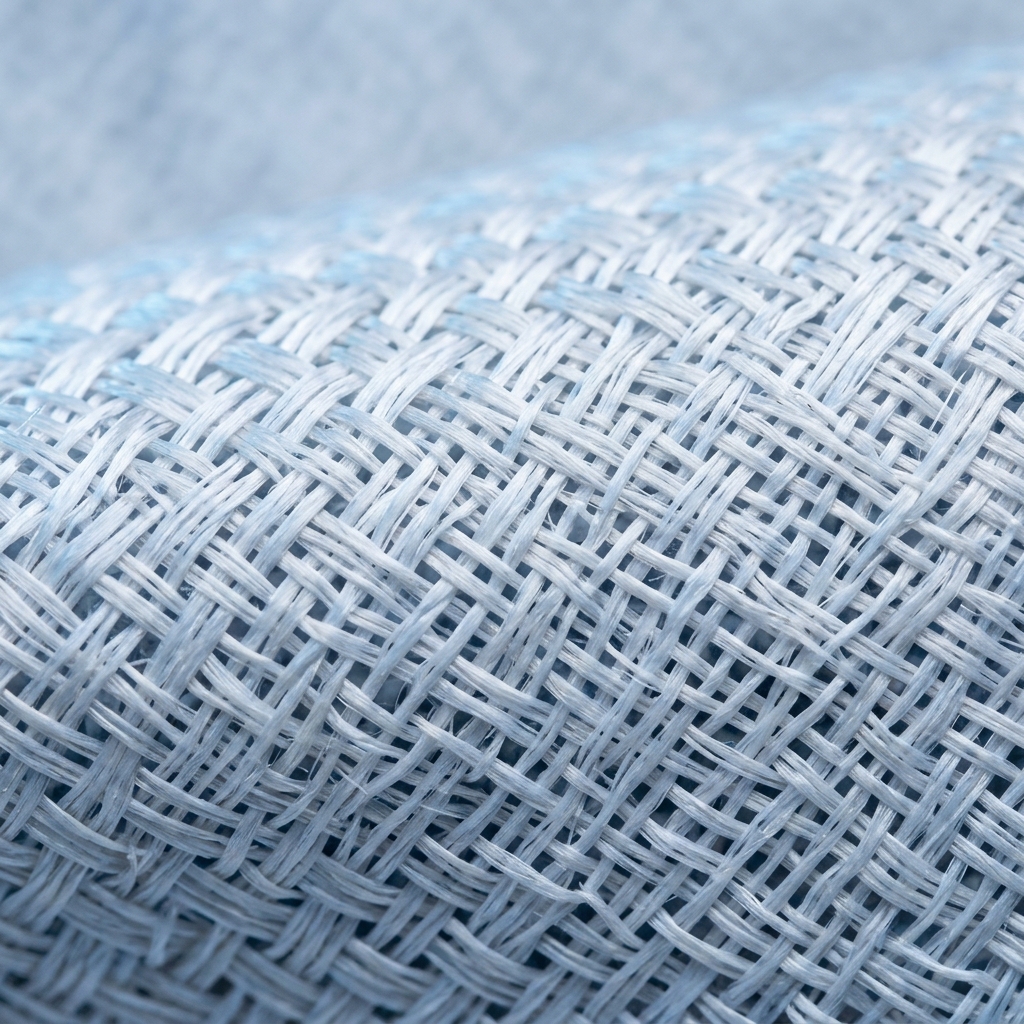
Selecting a liquid filter bag or filter cloth without understanding its micron rating is like trying to catch sand with a tennis net.
What does micron rating mean in filters? A micron (micrometer) is one-millionth of a meter. For context, a human hair is about 70 microns thick, and the human eye can see down to about 40 microns. The micron rating of a filter cloth indicates the size of the pores in the fabric. A 10-micron filter bag will block particles that are 10 microns and larger, allowing smaller particles to pass through.
Absolute vs. Nominal Ratings - **Nominal Rating:** The filter will catch *most* (usually 60-80%) of the particles at that size. It is an average. - **Absolute Rating:** The filter is guaranteed to catch 99.9% of particles at that size.
How do I select the right micron size? 1. **Identify the target:** What are you trying to remove? (e.g., fine sand is ~50 microns, yeast cells are ~5 microns). 2. **Consider flow rate:** A smaller micron rating (e.g., 1 micron) provides crystal clear liquid but clogs faster and restricts flow. A larger rating (e.g., 100 micron) allows high flow but lets fine silt pass. 3. **Use step-down filtration:** In heavily contaminated liquids, don't use a 5-micron bag immediately. Use a 50-micron bag as a pre-filter, followed by a 5-micron polishing filter, to save costs and prevent rapid clogging.
Looking for custom industrial filtration solutions?
Since 1995, Filtech Fabrics has been supplying high-performance filter cloth, bags, and industrial papers to oil refineries, chemical plants, and CNC shops across India.